Top Online Resources for Mental Health Support: Your Guide to Digital Mental Health Guides
- Latesha Odom
- Jan 5
- 4 min read

Navigating mental health challenges can feel overwhelming, especially when you're unsure where to turn for help. Fortunately, the digital age has brought a wealth of support right to our fingertips. I want to share some of the best digital mental health guides and resources that can provide comfort, guidance, and practical tools. These platforms are designed to help you understand your feelings, connect with professionals, and find strategies that work for you. Whether you're seeking therapy, self-help tools, or community support, there’s something here for everyone.
Exploring Digital Mental Health Guides: What You Need to Know
Digital mental health guides are more than just websites or apps. They are carefully crafted resources that offer evidence-based information, interactive tools, and sometimes direct access to licensed professionals. These guides can help you:
Learn about different mental health conditions.
Practice coping strategies and mindfulness exercises.
Track your mood and progress over time.
Connect with therapists or support groups online.
For example, platforms like BetterHelp and Talkspace provide online therapy sessions with licensed counselors, making professional help accessible from home. Meanwhile, apps like Headspace and Calm focus on meditation and stress reduction techniques that you can use daily.
Statistics show that nearly 60% of adults who seek mental health support prefer online options due to convenience and privacy. This shift highlights the importance of reliable digital mental health guides in today’s world.
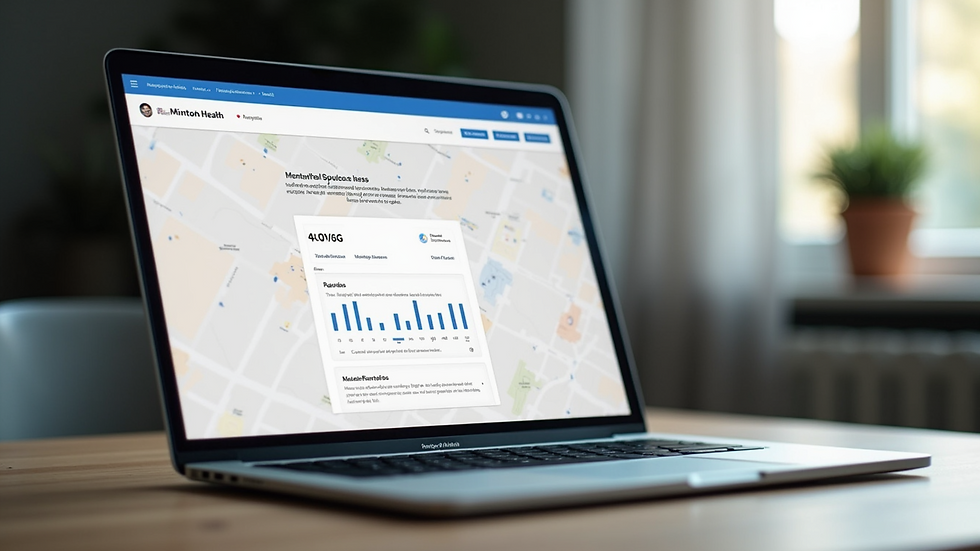
What is the Online or National Resources for Mental Health?
Understanding the landscape of online or national resources for mental health can empower you to make informed decisions about your care. Many countries have established official websites and hotlines that offer free or low-cost support. These resources often include:
Crisis helplines available 24/7.
Directories of licensed therapists and clinics.
Educational materials on mental health topics.
Tools for self-assessment and symptom tracking.
In the United States, for instance, the Substance Abuse and Mental Health Services Administration (SAMHSA) provides a national helpline and a treatment locator tool. Similarly, the National Alliance on Mental Illness (NAMI) offers extensive online resources, including peer support groups and educational webinars.
These national resources are invaluable because they are backed by trusted organizations and often connect you to local services tailored to your needs.
Practical Tips for Using Online Mental Health Resources Effectively
While digital mental health guides are incredibly helpful, using them effectively requires some planning. Here are some tips to get the most out of these resources:
Set clear goals - Identify what you want to achieve, whether it’s managing anxiety, improving sleep, or finding a therapist.
Choose reputable platforms - Look for resources with professional endorsements, positive reviews, and evidence-based content.
Create a routine - Dedicate specific times for using apps or reading materials to build consistency.
Engage actively - Participate in exercises, journaling prompts, or online support groups rather than passively consuming information.
Seek professional help when needed - Use online resources as a complement to therapy, not a replacement, especially if symptoms are severe.
For example, if you’re using a meditation app, try to practice daily for at least 10 minutes. If you’re exploring therapy platforms, read therapist profiles carefully and don’t hesitate to switch if the fit isn’t right.
How Online Resources Support Personal Growth and Healing
One of the most encouraging aspects of digital mental health guides is their focus on personal growth. Beyond managing symptoms, these resources encourage self-awareness, resilience, and empowerment. Many include:
Cognitive-behavioral therapy (CBT) tools that help reframe negative thoughts.
Mindfulness and relaxation exercises to reduce stress.
Goal-setting modules to track progress and celebrate achievements.
Community forums where you can share experiences and find encouragement.
For instance, apps like Moodfit and Sanvello offer mood tracking combined with CBT techniques, helping you identify patterns and triggers. This kind of insight can be transformative, giving you a clearer understanding of your mental health journey.

Finding the Right Fit: Choosing the Best Online Resource for You
With so many options available, it’s important to find the online resource that fits your unique needs. Here are some factors to consider:
Type of support: Do you want self-help tools, peer support, or professional therapy?
Cost: Some platforms are free, while others require subscriptions or insurance coverage.
Accessibility: Check if the resource is easy to use on your devices and if it offers support in your preferred language.
Privacy: Ensure the platform has strong data protection policies.
User experience: Look for intuitive design and helpful customer support.
Remember, it’s okay to try multiple resources before settling on one. Your mental health journey is personal, and the right tools can make a significant difference.
I hope this guide helps you feel more confident in exploring the many digital mental health guides available today. If you’re ready to take the next step, consider visiting online resources for mental health to find trusted platforms tailored to your needs. Remember, seeking support is a sign of strength, and you don’t have to face challenges alone. With the right resources, you can build resilience and move toward a healthier, more balanced life.


Comments